


ViewSynapse Digital
A Singapore software studio interior at working hours, desk row receding under exposed ceiling services and cool daylight across a concrete floor

Editorial resource · published by ViewSynapse Digital

About ViewSynapse Digital

An editorial resource about web development, mobile app development and custom software delivery — written for Singapore businesses comparing how these projects get planned, built and maintained.

What this site publishes

Explainer articles and comparison guides

The site covers how digital products are planned, built and maintained. Topics include build approaches, UX/UI design and backend integration, maintenance and support after launch, and how to work with a development team. The material is written for readers comparing options, including first-time buyers who do not yet know the vocabulary. It is not a portfolio and it does not publish client work.

Build stages How digital products get built Discovery through release Delivery models Choosing a build approach Tradeoffs, not verdicts Interface & systems UX/UI design and backend integration Where projects stall After release Maintenance and support after launch Ownership and handover Working relationship Working with a development team Briefs, reviews, feedback

How the guidance is written

Drafted around the real stages of a project

Articles are drafted around the practical stages of a delivery project and reviewed for accuracy against how these projects are commonly run. Where a claim depends on a specific market fact, that fact is stated directly and attributed to its source rather than generalised into a general impression.

Where the industry has no single answer, the article says so instead of presenting one approach as correct. That is a deliberate choice: a comparison between two delivery models is useful precisely when it names what each one costs you in time, flexibility and control, rather than declaring a winner.

Comparisons describe tradeoffs rather than recommending a single vendor or stack. Named approaches appear as examples drawn from publicly available market listings, and they are described using the facts stated in those listings.

Review discipline

A claim that cannot be checked against a dated public source is either attributed or left out — it is not softened into something that sounds confident.

  • Drafted by stage, not by marketing topic
  • Checked against how projects are commonly run
  • Market facts attributed to their source
  • Uncertainty stated, not papered over
A whiteboard seen from behind at an angle with coloured card magnets, cool daylight across the desk edge

A studio plan board

Cards, not claims

What the site does not do

No advice outside its subject, no paid coverage

The site does not provide legal, financial or tax advice. It does not publish ratings of specific vendors and it does not accept payment for coverage of any company or product. Any named organisation appears as an example from publicly available market listings and is described using the facts stated there. Nothing on the site should be read as an endorsement or a guarantee of an outcome.

  • No legal, financial or tax guidance
  • No vendor rankings or scores
  • No paid placement of any kind
  • No anonymous case studies or invented figures

Why Singapore

A market that mixes public standards with small-team delivery

The conditions we write for

Public-sector standards, enterprise modernisation, and a long tail of small products

Singapore combines public-sector digital standards, enterprise modernisation work, and a large base of small and mid-sized businesses building practical products. That mix produces specific questions about delivery reliability, integration with systems that already exist, and what happens to a product after launch.

The guidance here is written with those conditions in mind, including the reality that many projects involve more than one vendor and more than one time zone. When a handover spans suppliers, the risk is rarely the code itself — it is the assumptions each side made and never wrote down.
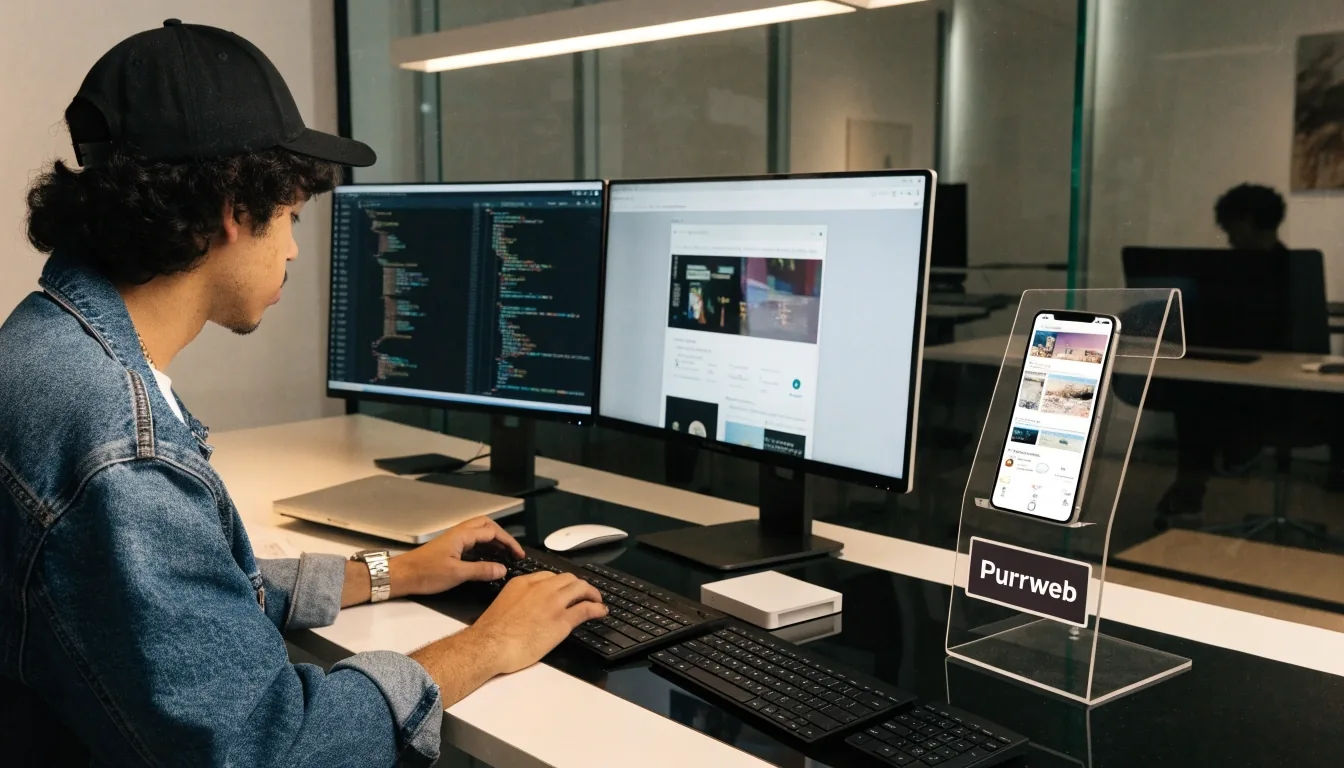
Where projects get stuck

Integration with systems already in place

Most delays we describe come from connecting a new interface to something the business already runs, not from writing the interface itself.

After launch

Who owns the code and the documentation

Support terms, access to repositories, and a written record of decisions matter more than the launch date when a supplier changes.

Hands over a keyboard in cool daylight with a closed notebook and masking tape on a bare desk surface

Editorial standards

Checked before publication, revisited when the market moves

Articles are checked for accuracy before publication and revisited when market information changes. Claims about specific companies are limited to what appears in dated, public listings. The site does not publish invented statistics, anonymous case studies, or unverifiable performance claims. Where a topic is genuinely uncertain, the article says that rather than filling the gap with confident language.

This matters most for custom software development, where the honest answer to "how long will this take" depends on the number of systems in scope, how much of the existing data can be reused, and who signs off on each stage. We describe those dependencies instead of quoting a single figure that would not survive contact with a real project.

Corrections and feedback

If something here is inaccurate, say so

What should a correction note include?
Send the page address and the specific point that looks wrong. A public source that contradicts the text helps most, because corrections that can be verified against a listing are applied and noted on the page.
Is feedback about unclear wording useful?
Yes. The audience for this site includes people encountering these decisions for the first time, so a paragraph that assumes too much is a real defect. Notes about confusing explanations are read alongside accuracy reports.
How is the site operated?
The site is published and maintained by ViewSynapse Digital, which is responsible for its editorial content. It does not run user accounts and does not sell products directly. Any form submissions are handled as described in the privacy policy.
Where do I send a note?
Through the contact page, which also lists the publisher's working hours and address. Notes sent there reach the people responsible for the editorial content.

Publisher contact

ViewSynapse Digital publishes and maintains this resource and is responsible for its editorial content.

Address
Avenida Vitacura 3500, 7630000 Vitacura, Región Metropolitana, Chile
Phone
+65 6218 1116
Working hours
Monday to Friday, 9:00 AM – 6:00 PM